
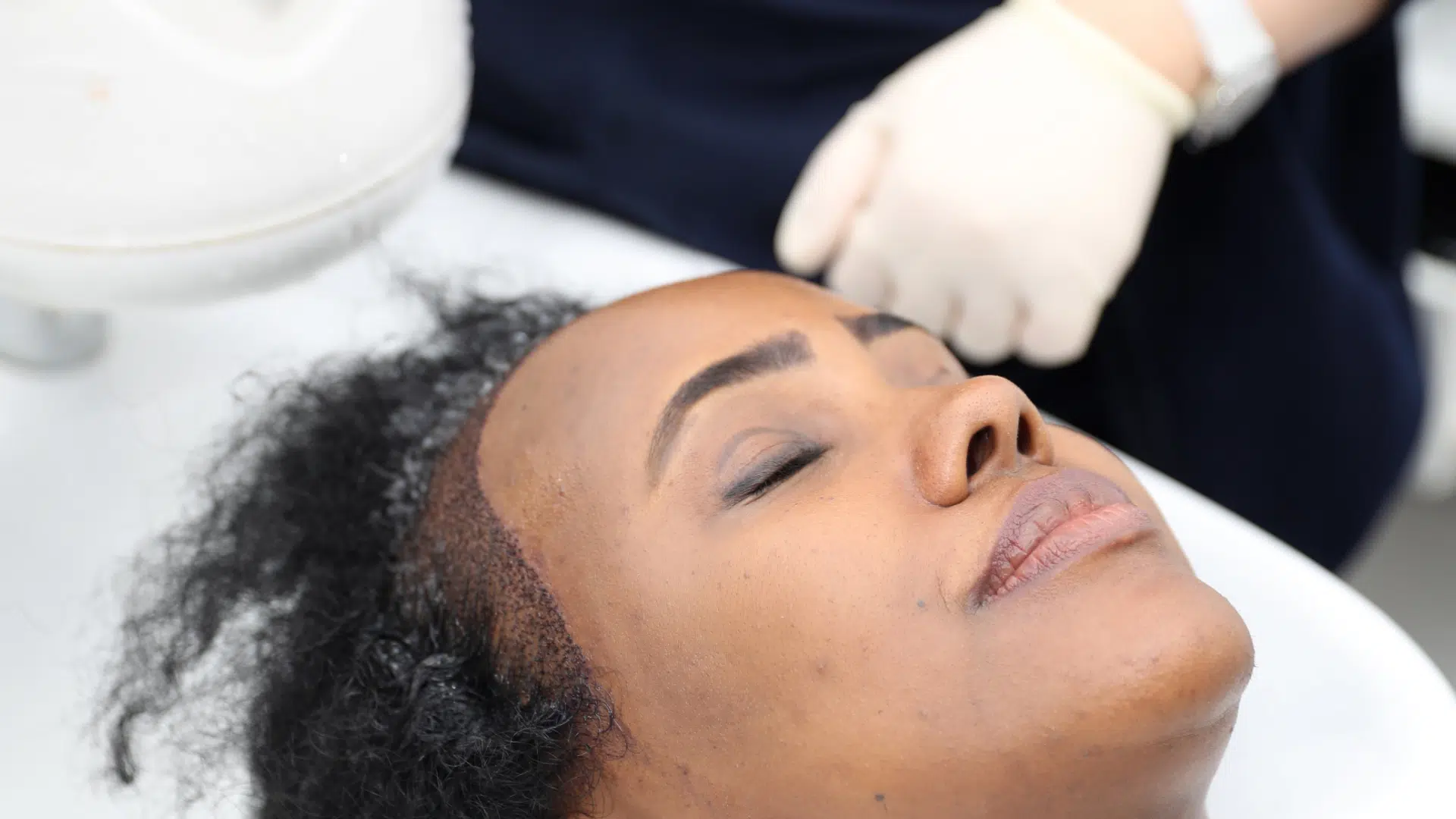
Hair loss isn’t just a concern for men; many women also experience thinning hair or receding hairlines, which can affect confidence and overall well-being. Hair transplant for women has emerged as a safe and effective solution, offering lasting results for those seeking to restore natural hair density. With advanced techniques like FUE hair transplant for women, patients can achieve a fuller and natural-looking hairline. Choosing the right location for the procedure is crucial, and Albania has become a preferred destination for many women looking for high-quality, affordable, and professional hair transplant services. In this guide, we’ll explore everything from the procedure and techniques to costs, safety, and success rates, helping you understand how women’s hair transplants can transform not just appearance, but confidence.
Hair Loss Diagnosis & Scalp Analysis focuses on identifying the causes of hair loss and evaluating scalp health to determine the most effective treatment plan.
Hair and Scalp Condition Check focuses on assessing scalp health and examining hair follicles to identify issues and guide the most effective treatment plan.
Curious about the day-of details? The Sapphire FUE process in Albania is streamlined, efficient, and patient-centered. Typically lasting 8-10 hours, it’s a single-day affair in comfortable, modern facilities in Tirana.
Your journey starts with a free consultation—often virtual—to map your hairline and count grafts (usually 2,000-4,000). On procedure day, arrive rested; staff greet you with a welcome kit.
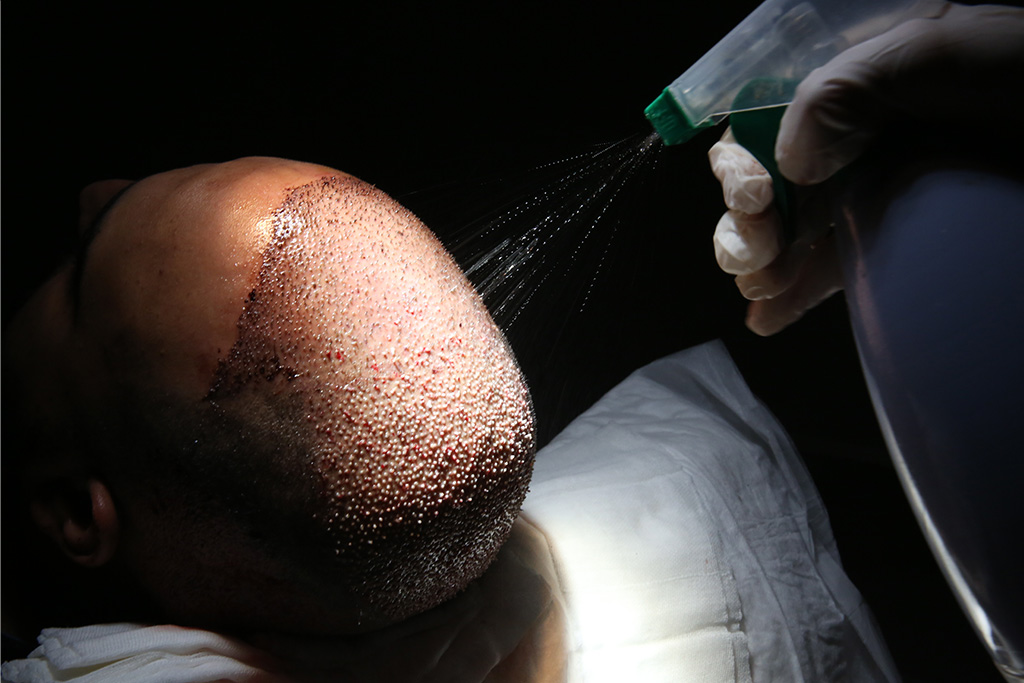
Anesthesia numbs the donor area.
Surgeons use a micro-punch to harvest follicles painlessly.
Sapphire blades craft recipient sites with laser-like accuracy.
Grafts are implanted one by one, customized for direction and depth. By evening, you're bandaged and briefed on aftercare, heading to your hotel for rest.
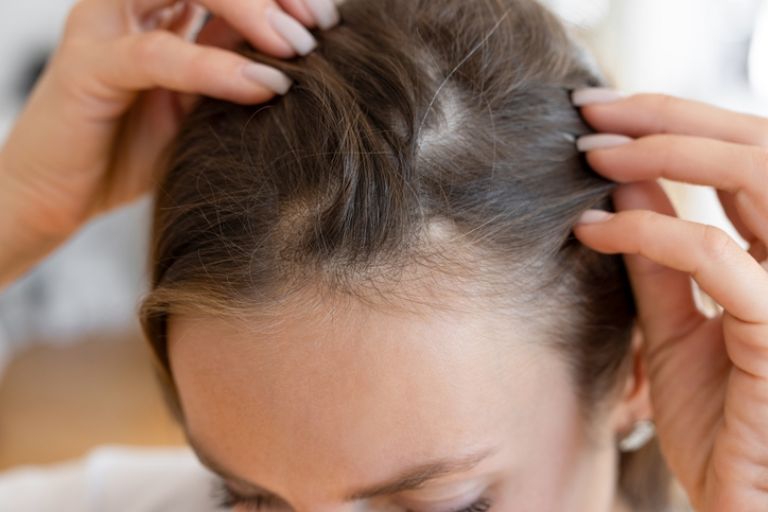
Hair loss in women can be caused by genetics, hormonal changes, medical conditions, or lifestyle factors. Understanding what a hair transplant for women entails is the first step in determining if the procedure is suitable. Modern female hair transplants are designed to restore hair density, enhance the hairline, and provide natural results with minimal downtime. This section will help you understand eligibility, procedures, and the overall effectiveness of hair transplant options for women.
A hair transplant for women is a surgical procedure that moves hair follicles from areas of the scalp with dense growth to thinning or bald areas. Unlike men, women often experience diffuse thinning rather than complete bald spots, which requires careful planning to ensure natural-looking results. Techniques such as FUE (Follicular Unit Extraction) are commonly used because they minimize scarring and allow for precise placement of individual follicles. The goal is not only to increase hair density but also to restore confidence by improving overall hair appearance.
Yes, women can have hair transplants, but eligibility depends on factors like hair density in donor areas, age, and the underlying cause of hair loss. Questions like “can women get hair transplants?” or “can females get hair transplants?” are common, and specialists usually evaluate whether the procedure will be effective for thinning hair, receding hairlines, or female pattern baldness. Even women with fine or delicate hair can benefit from modern techniques that carefully preserve natural hair direction and density, making results look seamless and natural.
When considering hair transplant surgery for women, understanding the available techniques is essential. Modern methods focus on achieving natural results while minimizing downtime and discomfort. Two of the most popular approaches are FUE hair transplant for women and specialized procedures for frontal or high forehead hairlines. Choosing the right technique depends on hair type, the extent of thinning, and personal goals.
FUE (Follicular Unit Extraction) hair transplant for women is a minimally invasive technique where individual hair follicles are extracted from donor areas and implanted into thinning zones. This method leaves no linear scar and allows for faster recovery compared to older techniques. Women benefit from FUE because it can be customized for diffuse thinning, preserving natural hair density and direction. It’s particularly suitable for those who want subtle, natural-looking results without noticeable signs of surgery.
For women with receding hairlines or a high forehead, specialized procedures focus on restoring the frontal hairline. Frontal female hair transplant techniques carefully place follicles to create a soft, natural-looking hairline that complements the face shape. Surgeons pay close attention to hair angle and density, ensuring the result looks undetectable. These procedures are increasingly popular among women seeking to improve their hairline without altering overall hair volume.

When considering a women’s hair transplant, understanding its effectiveness and expected outcomes is crucial. Success depends on factors such as age, hair density, donor area quality, and the type of hair loss. Modern female hair transplants offer high success rates, especially when performed by experienced surgeons using advanced techniques like FUE. This section explores how effective these procedures are and what results women can realistically expect.
Many women ask, “do hair transplants work for women?” or “do women’s hair transplants work?” The answer is yes, particularly for those with sufficient donor hair and realistic expectations. Unlike male pattern baldness, female hair loss is often diffuse, which can make planning more challenging. However, with careful mapping of donor areas and precise follicle placement, most patients achieve noticeable improvement in density and hairline appearance. Post-surgery care and following medical guidance also play a critical role in the long-term success of the transplant.
The success of a female hair transplant can vary by age. Younger women with stable hair loss patterns typically experience higher success rates, while older women may see slightly slower regrowth due to natural hair thinning. Research shows that with proper assessment, women in their 30s to 50s can achieve excellent results. Surgeons evaluate factors like hair texture, scalp elasticity, and hormonal influences to predict outcomes. This ensures that women of all ages can make informed decisions about pursuing a hair transplant.

Understanding the cost of hair transplant for women is a crucial factor in planning the procedure. Prices vary depending on the technique, clinic location, surgeon experience, and the number of grafts required. While countries like the UK or Turkey offer hair transplants, Albania has emerged as a destination offering high-quality women’s hair transplants at more affordable rates, without compromising safety or results.
Many women wonder, “how much does a hair transplant cost for women?” or “what is the price of women’s hair transplant?” Costs can vary widely, often ranging from £3,000 to £10,000 in the UK, depending on the number of grafts and clinic reputation. Albania provides competitive pricing with comparable quality, making it an attractive option for women seeking effective yet affordable hair restoration solutions. Transparent pricing, all-inclusive packages, and consultations help patients plan their procedure without unexpected expenses.
Albania is gaining attention for offering affordable hair transplant options for women while maintaining high clinical standards. Clinics often use the latest techniques like FUE and provide personalized care. Many patients also benefit from packages that include transportation, accommodation, and follow-up consultations. While affordability is a major advantage, Albania also ensures professional expertise, safety, and excellent results, making it a compelling choice for women considering a hair transplant abroad.
Patients with advanced baldness may require more grafts, which increases the total price.
Safety is a key consideration when planning a women’s hair transplant. Modern procedures like FUE hair transplant for women are minimally invasive and generally safe when performed by experienced surgeons. Understanding potential risks, post-operative care, and choosing a reputable clinic are essential for ensuring successful and complication-free results.
Many women ask, “is hair transplant safe for women?” The procedure is considered safe when performed in a certified clinic by trained professionals. Risks are minimal but may include temporary swelling, redness, or mild discomfort. Proper pre-surgery assessment, including medical history and scalp evaluation, helps minimize complications. Following the surgeon’s instructions during the recovery period further ensures that results are optimal and the procedure remains safe.
Women often wonder if hair transplants work for thinning hair or receding hairlines. Modern techniques are highly effective in addressing both conditions. By carefully mapping donor and recipient areas, surgeons can restore density and recreate a natural hairline. Even women with diffuse thinning can benefit, although results depend on the availability of healthy donor hair and realistic expectations. With proper planning, female hair transplants can provide long-lasting improvements in hair volume and appearance.
It's a targeted procedure for female pattern hair loss, traction alopecia, or thinning, where follicles from the donor area (back/sides) are extracted and implanted into balding spots using techniques like FUE or DHI for natural, fuller coverage without shaving the entire head.
Clinics like Nobi Hair and Dermolife offer Sapphire FUE (precise incisions for minimal scarring) and DHI (direct implantation with a pen for accurate angle/depth), both minimally invasive and unshaven options to suit women's styling preferences.
Tirana-based clinics (e.g., Queen Clinic, BlueMagic, Albmedtour) provide high-quality, European-standard care from Turkish-trained surgeons at 50-70% lower costs than the UK/US, with all-inclusive packages including consultations, accommodation, and transfers.
Prices range from €1,500-€3,500 depending on grafts (1,500-3,000 typical for women) and technique, with packages at clinics like Istanbul Care covering aftercare and travel perks for comprehensive value.
Recovery is gentle: mild swelling for 2-4 days, back to normal in a week; avoid styling/heat for 2 weeks. Growth starts at 3 months, full natural results in 9-12 months with 90-95% success, per reviews from Cosmedica and Medihair.

Servizi avanzati di trapianto di capelli, aiutandoti a ritrovare la fiducia con cure personalizzate.
Copyright © 2025 Tutti i diritti riservati.